Image to SVG Converter — Create Scalable Vector Graphics Instantly
In modern digital design, scalability, clarity, and versatility are essential. Raster images like JPEG or PNG are made of pixels, which lose quality when resized. That’s where SVG (Scalable Vector Graphics) comes in — a vector format that allows images to scale infinitely without losing clarity.
The Image to SVG converter is a fast, intuitive online tool that transforms your raster images into fully scalable vector graphics in under a minute. Designers, developers, marketers, and business owners can now convert logos, icons, illustrations, and complex designs into SVGs quickly, saving time and improving workflow.
In this article, we’ll explore what SVG is, how the converter works, practical applications, advanced tips, and why it’s essential for professionals.
What is SVG and Why It Matters
SVG is a vector-based image format that uses mathematical expressions to define shapes, lines, and colors. Unlike raster formats (JPEG, PNG), SVGs:
-
Scale without quality loss — perfect for responsive websites, print, and large displays
-
Have smaller file sizes for simple graphics, which improves website speed
-
Are editable in vector software such as Adobe Illustrator, Figma, and Inkscape
-
Support interactivity and animation in web design
Converting images to SVG allows your visuals to remain crisp, lightweight, and versatile, regardless of size or platform.
How the Image to SVG Converter Works
The process is designed for speed, simplicity, and efficiency:
Step 1: Upload Your Image
The converter supports formats like PNG, JPEG, BMP, and GIF. Drag and drop your image or select it from your device.
Step 2: Adjust Conversion Options (Optional)
-
Simplify paths for cleaner vector lines
-
Set background transparency
-
Preserve color fidelity
Step 3: Convert the File
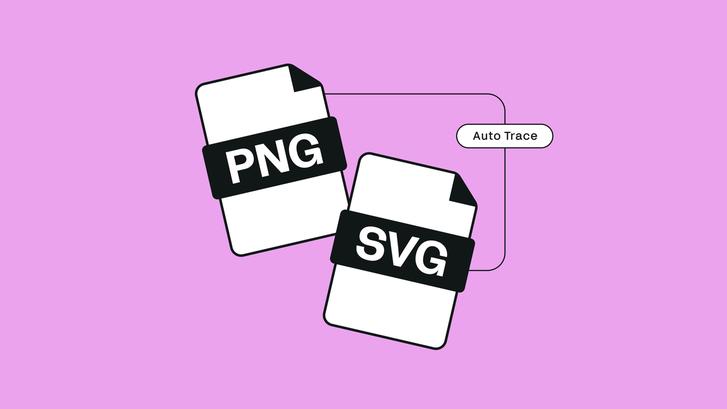
Click “Convert.” The tool automatically traces your image and produces a vector SVG in under a minute.
Step 4: Download Your SVG
Your scalable vector graphic is ready for web use, design projects, or print, maintaining perfect clarity at any size.
Pro Tip: Use batch conversion if you need multiple icons, logos, or illustrations converted at once.
Advantages of Converting Images to SVG
Converting raster images to SVG offers several advantages:
-
Scalability Without Quality Loss
Logos and icons remain crisp on large screens, banners, or high-resolution displays. -
Reduced File Size
For simple graphics, SVG files are often smaller than JPEG or PNG, improving website loading speeds. -
Editable in Vector Software
Easily customize shapes, colors, and layers for different projects. -
Enhanced Web Performance
SVGs integrate seamlessly into web pages and can be animated using CSS or JavaScript. -
Cross-Platform Compatibility
SVGs are supported by all modern browsers and responsive design frameworks.
Practical Applications of Image to SVG Conversion
1. Logos and Branding
Ensure your brand logo looks perfect on any medium, from business cards to billboards.
2. Web Design and Development
Use SVG for icons, buttons, and illustrations to improve site speed and visual clarity.
3. Marketing and Social Media
Convert graphics into SVGs for high-quality posts and animated content across platforms.
4. Mobile Apps and Games
SVG assets adapt to different screen sizes without pixelation, ideal for UI/UX design.
5. Printing and Merchandising
SVG files can be scaled for t-shirts, mugs, posters, or large banners without losing resolution.
Tips for Optimal SVG Conversion
-
Start With a High-Quality Image
Clean, high-contrast images convert better into vectors. -
Simplify the Design
Highly complex images may require manual adjustments post-conversion. -
Use Color Layers Intelligently
Separate colors in the original image for easier editing in vector software. -
Check File Size
For very detailed images, SVG files can become large. Optimize paths to reduce file size. -
Test in Multiple Platforms
Ensure the SVG displays correctly across browsers, devices, and software applications.
Advanced Insights — SVG vs Other Formats
| Format | Scalability | File Size | Best Use Case |
|---|---|---|---|
| SVG | Infinite | Small-Medium | Logos, icons, web graphics |
| PNG | Fixed | Medium-Large | Transparent images, web graphics |
| JPEG | Fixed | Medium | Photos, complex images |
| TIFF | Fixed, high-quality | Large | Printing, archival |
| WebP | Fixed | Small | Web images, optimized photos |
By understanding these differences, you can choose the right format for each project and leverage SVG for scalable, interactive graphics.
Frequently Asked Questions
Q1. Can I convert multiple images to SVG at once?
Yes! Batch conversion allows designers and marketers to process several logos or icons simultaneously.
Q2. Will SVG preserve colors accurately?
Yes. Modern converters maintain color fidelity and allow adjustments for vector accuracy.
Q3. Can complex photos be converted to SVG?
Highly detailed images may require simplification. SVG works best with logos, icons, and illustrations.
Q4. Is the tool safe to use?
Reputable online converters encrypt files during upload and delete them automatically after conversion.
Why This Tool Saves Time
The Image to SVG converter is designed to maximize efficiency:
-
Convert images to scalable vector graphics in under a minute
-
Batch conversion for multiple files at once
-
Fully online — no software installation required
-
Ideal for designers, developers, marketers, and businesses
With this tool, you can turn raster images into professional vector graphics instantly, saving hours of manual work.
Conclusion
The Image to SVG converter is an indispensable tool for anyone looking to create scalable, professional-quality graphics quickly. From logos and icons to illustrations and interactive web graphics, SVG ensures your images remain crisp, lightweight, and fully editable.
By converting images to SVG in under a minute, you save time, improve workflow efficiency, and maintain visual quality across all platforms. Whether you’re a web designer, marketer, or business owner, this tool is essential for modern digital projects.