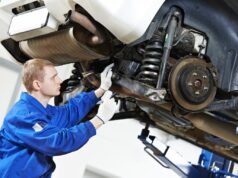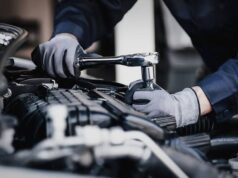

A vehicle’s suspension system is one of the most important components for safety, comfort, and driving performance. Whether you drive daily for work or occasionally for travel, understanding how your suspension works and how to maintain it can help you avoid expensive repairs and dangerous driving conditions.
Many drivers only think about their suspension when something goes wrong, such as unusual noises, a rough ride, or uneven tire wear. However, regular maintenance and early detection of problems can save you a lot of money in the long run.
In this complete guide, we will cover everything you need to know about suspension car systems, including car suspension maintenance tips, the cost to fix suspension on car, different suspension types, and how to find car suspension repair near me or reliable car suspension shops near me.
What Is a Car Suspension System?
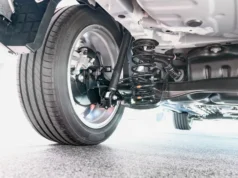
A car suspension system is the network of components that connects a vehicle to its wheels and allows relative motion between them. It helps absorb shocks from the road, maintain tire contact, and provide a smooth driving experience.
Without a proper suspension system, every bump, pothole, or uneven surface would be directly transferred to the vehicle body and passengers. Suspension ensures that the car remains stable, comfortable, and easy to control.
Main Purpose of a Suspension System
The suspension system serves several important functions:
1. Ride Comfort
It absorbs shocks and vibrations from uneven roads, making driving smoother.
2. Vehicle Stability
A properly functioning suspension helps keep the car balanced during turns, braking, and acceleration.
3. Tire Contact with Road
Suspension ensures that the tires maintain proper contact with the road surface, which improves traction and safety.
4. Handling and Control
It improves steering response and vehicle handling, especially at higher speeds.
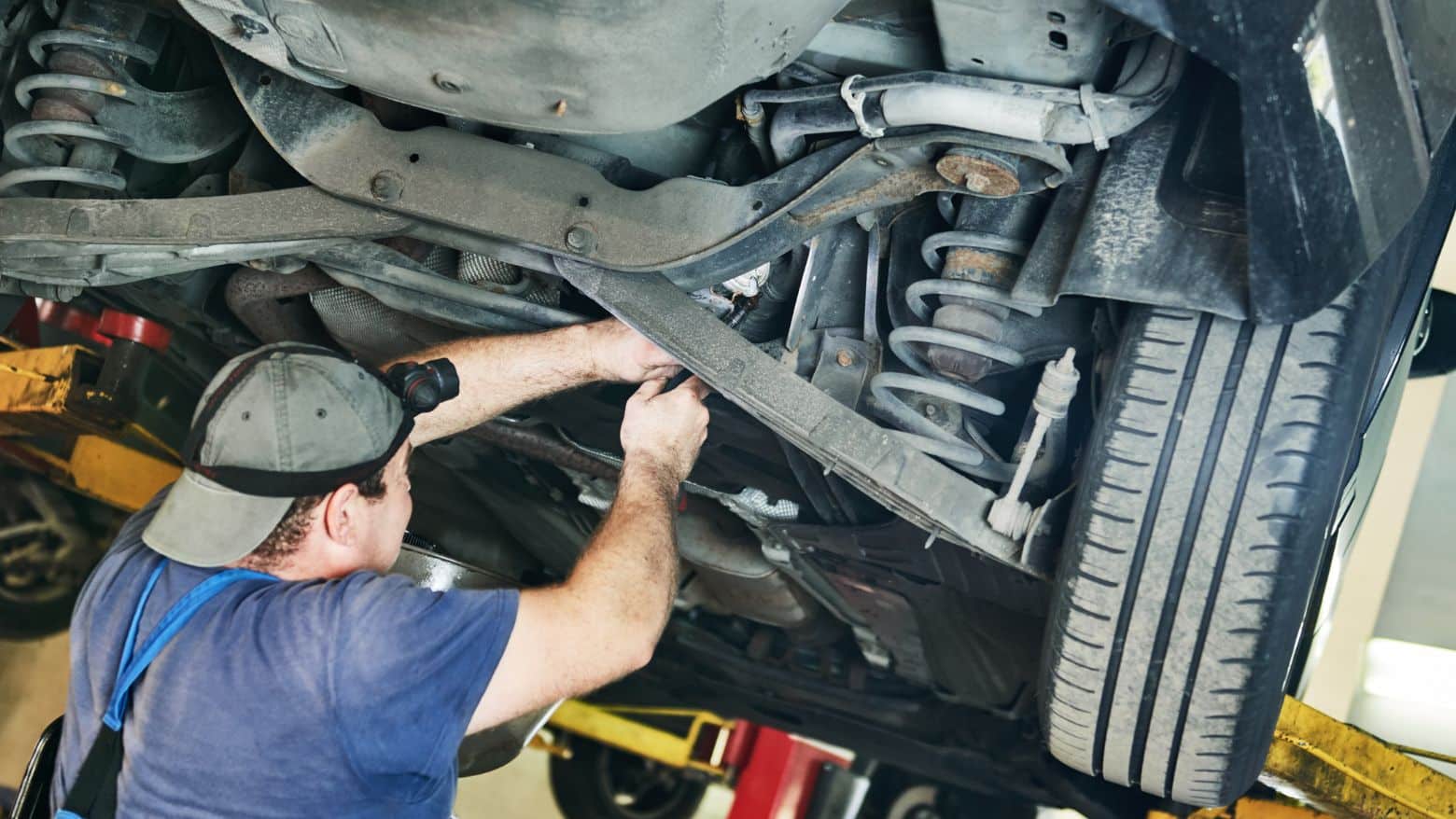
Main Parts of a Car Suspension System
A suspension system includes several important components that work together to provide stability and comfort.
1. Shock Absorbers
Shock absorbers control the movement of springs and suspension. They reduce bouncing and help stabilize the vehicle after hitting bumps.
2. Struts
Struts are structural parts of the suspension that combine the functions of a shock absorber and suspension support. They are common in modern vehicles.
3. Springs
Springs support the weight of the vehicle and absorb road impacts. The most common types are coil springs, leaf springs, and air springs.
4. Control Arms
Control arms connect the suspension to the vehicle frame and allow wheels to move up and down smoothly.
5. Bushings
Bushings are rubber components that reduce friction and noise between suspension parts.
6. Stabilizer Bars
Also known as sway bars, these help reduce body roll when the car turns.
All these parts must work together properly for the suspension system to function efficiently.
Car Suspension Maintenance Tips
Regular maintenance is essential to keep your suspension system in good condition. Ignoring suspension issues can lead to unsafe driving conditions and expensive repairs.
Below are some practical car suspension maintenance tips that every driver should follow.
Inspect Suspension Regularly
Routine inspection is one of the easiest ways to prevent suspension problems. Look for signs such as:
- Oil leaking from shocks or struts
- Damaged springs
- Loose components
- Uneven tire wear
It is recommended to inspect suspension parts at least once every 12 months or during regular vehicle servicing.
Maintain Proper Wheel Alignment
Wheel alignment is closely related to suspension performance. Poor alignment can cause:
- Uneven tire wear
- Steering problems
- Reduced fuel efficiency
If your car pulls to one side or the steering wheel is not centered, you may need an alignment check.
Avoid Driving Over Potholes and Rough Roads
Driving aggressively over potholes, speed bumps, and rough terrain can damage suspension components. Try to slow down when approaching bumps and avoid potholes whenever possible.
Do Not Overload Your Vehicle
Carrying excessive weight puts extra stress on suspension components such as springs and shocks. Always follow the recommended weight limit provided by the manufacturer.
Replace Worn Shocks and Struts
Shock absorbers and struts wear out over time. Most mechanics recommend replacing them every 50,000 to 100,000 miles, depending on driving conditions.
Replacing worn shocks improves:
- Vehicle stability
- Braking performance
- Ride comfort
Signs Your Suspension Needs Repair
If your suspension system starts to fail, your car will usually show several warning signs.
Recognizing these signs early can prevent more serious damage.
Excessive Bouncing
If your car continues bouncing after hitting a bump, your shock absorbers may be worn out.
Uneven Tire Wear
Suspension problems often cause uneven tire wear patterns, which reduce tire lifespan.
Steering Difficulty
If steering becomes stiff or unstable, the suspension system may not be functioning properly.
Car Pulling to One Side
A vehicle pulling left or right while driving may indicate suspension or alignment issues.
Strange Noises
Clunking or knocking noises when driving over bumps often indicate worn suspension components.
If you notice any of these symptoms, it is best to search for car suspension repair near me and have your vehicle inspected by a professional mechanic.
Cost to Fix Suspension on Car
One of the most common questions drivers ask is about the cost to fix suspension on car. The cost varies depending on the type of repair and the vehicle model.
Below are some typical suspension repair costs.
| Repair Type | Average Cost |
|---|---|
| Shock absorber replacement | $200 – $800 |
| Strut replacement | $300 – $900 |
| Control arm replacement | $500 – $1200 |
| Spring replacement | $300 – $1000 |
| Full suspension repair | $1000 – $5000 |
These prices may vary depending on location, labor costs, and the type of vehicle.
Factors That Affect Suspension Repair Cost
Several factors influence how much you will pay for suspension repairs.
Vehicle Type
Luxury vehicles or SUVs often have more complex suspension systems, which can increase repair costs.
Parts Quality
Original equipment manufacturer (OEM) parts usually cost more than aftermarket parts but may last longer.
Labor Costs
Labor charges vary depending on the repair shop and location.
Extent of Damage
Minor repairs cost less than major suspension replacements.
Best Suspension Type for Cars
Different vehicles use different suspension designs depending on their purpose and performance requirements. Choosing the best suspension type for cars depends on whether you prioritize comfort, performance, or durability.
MacPherson Strut Suspension
This is one of the most common suspension systems used in modern cars.
Advantages:
- Simple design
- Affordable
- Lightweight
It is commonly used in compact and mid-size vehicles.
Double Wishbone Suspension
Double wishbone suspension offers improved handling and stability.
Advantages:
- Better cornering performance
- Improved wheel control
It is often used in sports cars and high-performance vehicles.
Multi-Link Suspension
Multi-link suspension systems provide excellent comfort and control.
Advantages:
- Smooth ride quality
- Better stability
This suspension type is commonly used in luxury vehicles.
Air Suspension
Air suspension systems use air springs instead of traditional coil springs.
Advantages:
- Adjustable ride height
- Superior comfort
- Better load handling
This system is commonly found in luxury cars and SUVs.
How to Find Car Suspension Repair Near Me
When your suspension system needs repair, finding a reliable repair shop is important. Searching online for car suspension repair near me can help you locate nearby mechanics who specialize in suspension services.
Here are some tips for choosing the right repair shop.
Check Online Reviews
Read customer reviews on Google and other platforms to see how other drivers rate the service.
Compare Prices
Contact multiple repair shops and compare prices for suspension repairs.
Look for Certified Mechanics
Choose mechanics who are certified and experienced in suspension repair.
Ask About Warranty
A good repair shop should offer warranty coverage on parts and labor.
Best Car Suspension Shops Near Me
Searching for car suspension shops near me can help you find specialized repair centers that focus on suspension maintenance and replacement.
A good suspension repair shop should offer:
- Experienced technicians
- High-quality replacement parts
- Transparent pricing
- Good customer service
Professional suspension shops often provide services such as:
- Shock absorber replacement
- Strut repair
- Wheel alignment
- Suspension inspection
- Complete suspension system repair
Why Suspension Maintenance Is Important
Maintaining your suspension system is essential for both safety and vehicle performance.
Here are some key reasons why suspension maintenance should never be ignored.
Improved Safety
A properly functioning suspension system improves vehicle control and reduces the risk of accidents.
Better Ride Comfort
Good suspension absorbs road shocks and provides a smoother driving experience.
Longer Tire Life
Suspension problems often cause uneven tire wear. Proper maintenance helps extend tire lifespan.
Lower Repair Costs
Regular maintenance helps detect issues early, preventing expensive repairs later.
When Should You Replace Suspension Parts?
Most suspension components last many years, but they do wear out over time.
Here are general replacement guidelines.
| Suspension Component | Typical Lifespan |
|---|---|
| Shock absorbers | 50,000 – 100,000 miles |
| Struts | 60,000 – 100,000 miles |
| Control arms | 90,000 – 120,000 miles |
| Springs | 100,000+ miles |
Driving conditions such as rough roads or heavy loads may shorten the lifespan of these components.
Conclusion
Your vehicle’s suspension system plays a vital role in ensuring a smooth, stable, and safe driving experience. Understanding how suspension works and following proper car suspension maintenance tips can help you avoid costly repairs and maintain vehicle performance.
If you notice warning signs such as bouncing, steering issues, or uneven tire wear, it is important to get your suspension checked by professionals. Searching for car suspension repair near me or reliable car suspension shops near me can help you find experienced mechanics who can diagnose and fix suspension problems.
Knowing the cost to fix suspension on car and understanding the best suspension type for cars can also help you make better decisions about vehicle maintenance and upgrades.
Regular inspection, careful driving, and timely repairs will keep your suspension system in excellent condition and ensure that your car remains safe and comfortable on the road for years to come.