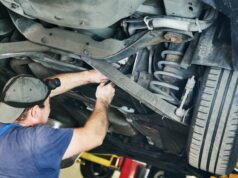

A car’s suspension system is more than just a set of parts designed to provide a smooth ride. It is an integral system that ensures the comfort, stability, and safety of your vehicle. It absorbs shocks from the road, keeping the tires in contact with the surface to maintain control and reduce wear and tear on the vehicle.
The importance of a well-maintained suspension system cannot be overstated. The suspension system contributes to several aspects of the vehicle’s performance, including steering, braking, handling, and overall ride quality. A malfunctioning suspension can result in uneven tire wear, poor vehicle handling, and, in the worst case, a loss of control while driving, especially on rough terrain.
Maintaining your car’s suspension system is crucial for ensuring its safety and efficiency. A properly functioning suspension system ensures smooth handling, prolongs the life of your vehicle, and provides the best possible driving experience.
2. Understanding Car Suspension
What is Car Suspension?
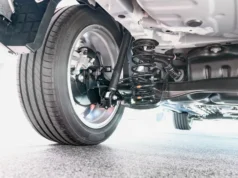
Car suspension refers to the system of springs, shock absorbers, and linkages that connects a vehicle’s wheels to its frame. It absorbs shocks and impacts caused by the road, keeping the car’s wheels in constant contact with the ground. This connection is crucial for ensuring stability, comfort, and safety during the ride.
Overview of its Role in Vehicle Performance
The suspension system plays several critical roles in vehicle performance:
- Comfort: It reduces the impact of road imperfections, allowing passengers to enjoy a smoother ride.
- Handling: A well-functioning suspension system keeps the car stable during turns and maneuvers, allowing for better control.
- Safety: It ensures the tires maintain contact with the road, providing optimal traction and improving braking efficiency.
- Load-bearing: The suspension system helps support the weight of the car and its load, distributing weight evenly across the vehicle.
In essence, the suspension system serves as a link between the car’s wheels and the body. It allows the car to maintain stability, prevent swaying, and improve the driving experience, especially in challenging driving conditions.
3. Key Components of the Car Suspension System
The car suspension system consists of several components, each working in tandem to provide comfort and ensure safe handling. Here are the key components:
- Car Suspension Parts:
- Shocks/Struts:
Shocks and struts are designed to absorb the impacts from the road and control the rebound of the vehicle after hitting bumps. They work by converting kinetic energy into heat, which helps to minimize the car’s bounce. The struts also serve as part of the structural support for the vehicle’s suspension, especially in the front. - Springs:
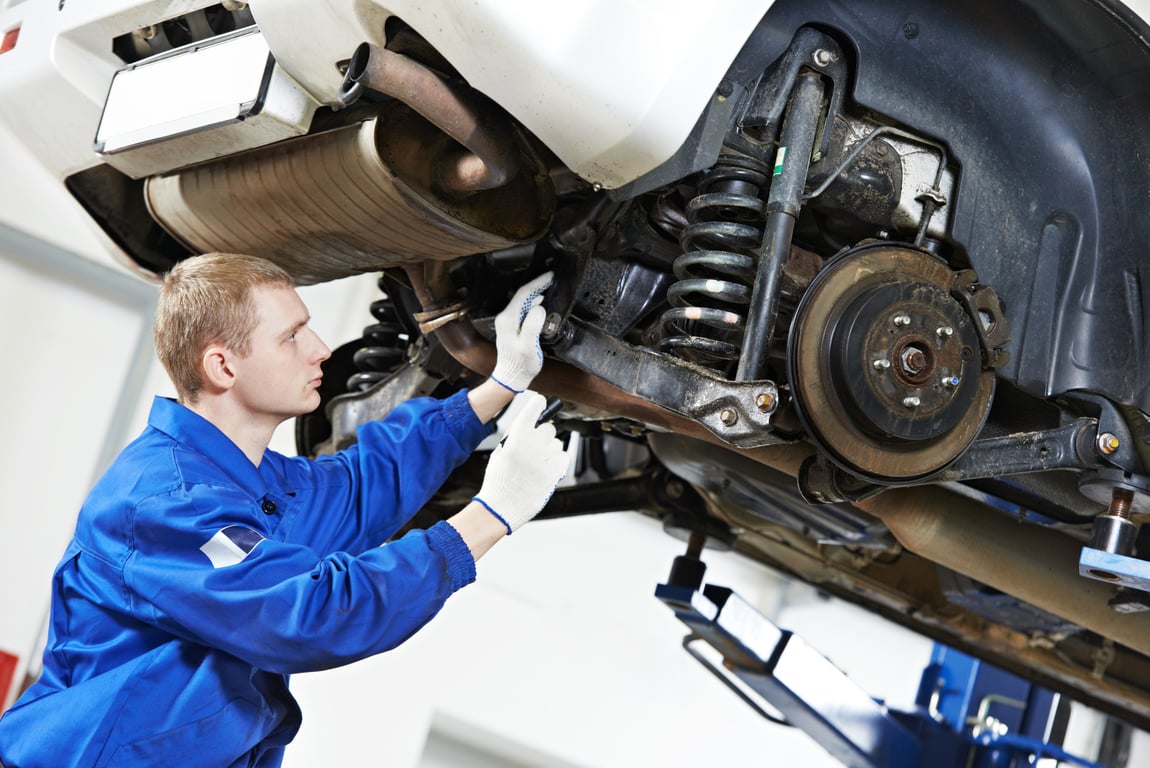
Springs are responsible for supporting the vehicle’s weight and absorbing road impacts. There are various types of springs used in suspension systems, including coil springs, leaf springs, and air springs. The springs ensure that the vehicle doesn’t bottom out or bounce excessively when driving over uneven surfaces. - Control Arms:
Control arms connect the suspension system to the vehicle’s frame. They are designed to allow the wheels to move vertically while maintaining proper alignment. The control arms play a critical role in keeping the suspension aligned, ensuring the wheels stay in their optimal position. - Ball Joints:
Ball joints connect the control arms to the steering knuckles and allow the wheels to pivot. These joints are essential for smooth wheel movement and are especially crucial during steering.
- Shocks/Struts:
- Car Suspension System Parts Overview:
Each of these components plays a vital role in maintaining a smooth ride. Together, they absorb shocks, reduce vibrations, and help distribute the vehicle’s weight evenly. When one of these parts fails, it can lead to instability, poor handling, and a decrease in overall driving comfort. Regular maintenance ensures all components are functioning as intended, providing a stable and safe driving experience.
4. Types of Car Suspension Systems
Understanding the different types of car suspension systems is key to choosing the right system for your vehicle and keeping it in good condition.
- Car Front Suspension System:
The front suspension system of a vehicle is designed to handle the majority of the vehicle’s weight and absorb the impact from the road. It consists of struts, control arms, and coil springs, which work together to provide a smooth and stable ride. In most vehicles, the front suspension system is responsible for steering the vehicle as well as providing shock absorption. - Differences in Front and Rear Suspension Systems:
- Front Suspension: The front suspension handles the vehicle’s steering, providing stability and comfort during turns. It’s designed to manage the weight distribution from the engine and the front axle.
- Rear Suspension: The rear suspension is primarily responsible for supporting the weight of the vehicle and maintaining tire contact with the road. It also helps absorb impacts from the road but does not influence steering like the front suspension.
- Independent vs. Dependent Suspension Systems:
- Independent Suspension System: In an independent suspension system, each wheel moves independently of the others. This design allows for better handling and ride comfort, especially on rough or uneven roads. Independent suspension systems are often used in modern cars for improved performance and safety.
- Dependent Suspension System: In a dependent suspension system, the wheels are connected by a solid axle, which means both wheels move together. While this system is simpler and cheaper, it provides less comfort and handling compared to independent suspension systems. Dependent suspension is commonly found in older vehicles and some trucks.
5. Signs That Your Car Suspension Needs Attention
A failing suspension system can lead to significant issues with handling and safety. Recognizing the signs early can prevent further damage and costly repairs. Here are the common signs that your car suspension may need attention:
- Uneven Tire Wear:
One of the most noticeable signs of suspension issues is uneven tire wear. If the suspension system is misaligned or damaged, it can cause the tires to wear unevenly. Inspecting your tires regularly and looking for uneven patterns can help you identify suspension problems early. - Vehicle Pulling to One Side:
If your car pulls to one side while driving, it could indicate a problem with the suspension, alignment, or tires. A suspension issue can cause the vehicle to lean to one side, which affects the handling and steering. - Bumpy Ride or Excessive Bouncing:
A smooth ride is one of the primary functions of a suspension system. If you notice that your car bounces excessively or feels rough even on smooth roads, it may be a sign that the suspension components, like the shocks or struts, are worn out. - Strange Noises:
Unusual noises such as clunking, squeaking, or grinding while driving can indicate problems with the suspension system. These noises often point to issues with control arms, struts, or ball joints. If you hear such sounds, it’s time for a suspension inspection.
6. Car Suspension Repair Cost
Repairing a suspension system can be expensive depending on the severity of the issue and the vehicle model. Here’s an overview of typical suspension repair costs:
- Typical Costs for Repairing or Replacing Suspension Parts:
On average, replacing struts or shocks costs between $300 and $1,000 per axle, including labor. More complex repairs, such as replacing control arms or ball joints, may cost anywhere from $500 to $2,000. The costs will vary based on the type of suspension system, labor rates, and the vehicle’s make and model. - Factors Affecting Repair Costs:
- Vehicle Make and Model: Luxury or high-performance vehicles often have higher repair costs due to more complex suspension systems.
- Extent of Damage: If the suspension components are severely damaged, you may need to replace more than one part, increasing the cost.
- Labor Costs: Labor rates can vary depending on the repair shop’s location and expertise.
- DIY vs. Professional Repair Costs:
While some suspension repairs can be done by DIY enthusiasts, professional repairs are recommended for safety reasons, especially for complex issues. Professional repair shops often have the right tools and experience to ensure that the work is done correctly, which may add to the cost.
7. How to Maintain Your Car Suspension
Proper maintenance can help extend the life of your suspension system and prevent costly repairs. Here are some key tips for keeping your car’s suspension in optimal condition:
- Regular Inspections:
Having your suspension system inspected regularly can help identify problems early. Inspections are especially important after driving on rough roads or hitting potholes. - Proper Driving Habits to Avoid Damage:
Avoid driving aggressively, especially over potholes or curbs. Excessive speed over bumps and sharp turns can strain the suspension system and cause premature wear. - Importance of Using Quality Parts for Replacement:
When replacing suspension parts, always opt for high-quality or OEM (Original Equipment Manufacturer) parts. Using substandard parts can compromise the performance of the suspension system, leading to further issues down the road.
8. Conclusion
Your car’s suspension system plays a vital role in ensuring safety, comfort, and performance. Regular maintenance, timely repairs, and proper driving habits are essential for keeping your suspension in top shape. By taking care of your suspension system, you’ll not only improve your vehicle’s handling but also extend its lifespan and save on costly repairs in the future.
9. Call to Action
If you’ve noticed any signs of suspension problems, don’t wait until the situation worsens. Schedule a suspension check-up or repair today. Keeping your car’s suspension in optimal condition will ensure a safer, smoother, and more enjoyable driving experience.